
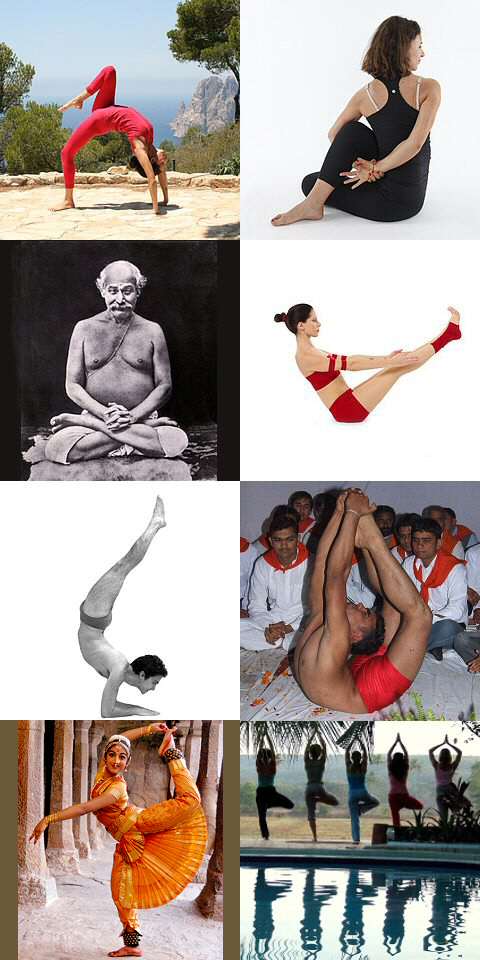
Contents
Overview
The concept of asana, or yoga pose, traces its roots back to ancient India, with early mentions in texts like the Yoga Sutras of Patanjali. Patanjali, believed to have lived between 200 BCE and 400 CE, described asana as a steady and comfortable posture, primarily for seated meditation, one of the eight limbs of his yogic system. The Hatha Yoga Pradipika, a 15th-century text, and later works like the 17th-century Hatha Ratnavali began to catalog a wider array of poses, moving beyond just seated positions. The 20th century saw a significant expansion and popularization of asanas, particularly influenced by figures like Tirumalai Krishnamacharya, who synthesized traditional hatha yoga with other physical disciplines, leading to the development of styles like Vinyasa and Iyengar Yoga. This era also saw the work of Swami Kuvalayananda and Yogendra in making yoga accessible and scientifically studied.
⚙️ How It Works
Yoga poses function by systematically engaging the body's musculature, skeletal system, and nervous system. Each asana requires a specific alignment and breath coordination, often referred to as Pranayama, to maximize its benefits. For instance, a pose like Virabhadrasana II strengthens the legs and opens the hips while promoting focus and stability. In contrast, a restorative pose like Balasana encourages relaxation and gentle stretching. The practice involves moving through a sequence of poses, often linked by Vinyasa flows, creating a dynamic moving meditation that builds heat, flexibility, and endurance. The intention behind each pose is to prepare the body and mind for deeper states of awareness and meditation, as outlined in classical yogic texts.
📊 Key Facts & Numbers
Estimates suggest there are over 100,000 distinct yoga poses, though a core set of around 200 are commonly practiced in modern yoga. The Hatha Yoga Pradipika lists 84 primary asanas, while the Hatha Ratnavali also details 84. In a typical yoga class, practitioners might engage with 10-20 poses per session. Globally, an estimated 300 million people practice yoga, with a significant portion incorporating asana into their routine. The market for yoga-related products, including mats and props, is valued at over $13 billion annually, underscoring the widespread adoption of yoga poses.
👥 Key People & Organizations
Key figures in the evolution and dissemination of yoga poses include Tirumalai Krishnamacharya, often called the 'father of modern yoga,' whose students like B.K.S. Iyengar, K. Pattabhi Jois, and Indra Devi went on to establish distinct lineages and styles. Swami Kuvalayananda pioneered scientific research into yoga, establishing the Kaivalyadhama Yoga Institute in 1924 to study the physiological effects of asanas. Organizations like Yoga Alliance play a significant role in standardizing teacher training and curriculum, influencing how poses are taught worldwide. Contemporary teachers like Sharon Gannon and David Life have also contributed to the modern understanding and application of yoga poses through their Jivamukti Yoga method.
🌍 Cultural Impact & Influence
Yoga poses have profoundly influenced global wellness culture, becoming a widely recognized form of exercise and stress management. They have permeated mainstream fitness, appearing in gym classes, physical therapy, and even athletic training programs. The visual representation of poses like Adho Mukha Svanasana and Padmasana are iconic symbols of health and mindfulness, frequently appearing in media and advertising. This widespread adoption has led to the development of numerous yoga styles, from the physically demanding Ashtanga to the gentle Restorative Yoga, each emphasizing different aspects of the physical practice. The global reach of yoga poses has also fostered a cross-cultural exchange of ideas and practices.
⚡ Current State & Latest Developments
The current landscape of yoga poses is characterized by innovation and accessibility. Online platforms and yoga apps now offer thousands of pose tutorials and guided classes, making instruction available to anyone with an internet connection. There's a growing emphasis on evidence-based practices, with ongoing research into the therapeutic benefits of specific asanas for conditions like back pain and anxiety. Furthermore, adaptive yoga, which modifies poses for individuals with disabilities or injuries, is gaining traction, broadening the inclusivity of yoga practice. The development of specialized yoga styles, such as prenatal yoga and yoga for seniors, continues to cater to diverse needs.
🤔 Controversies & Debates
One significant debate revolves around the commercialization and 'Westernization' of yoga poses, with critics arguing that the spiritual and philosophical underpinnings are often overshadowed by the focus on physical fitness. Another controversy concerns the appropriation of yoga's origins, with some practitioners advocating for greater respect for its Indian heritage. Debates also arise regarding the safety and efficacy of certain advanced poses, particularly when taught without adequate supervision or proper alignment instruction. The standardization of poses versus the allowance for individual expression within the practice also sparks discussion among teachers and practitioners.
🔮 Future Outlook & Predictions
The future of yoga poses is likely to see continued integration with technology, such as virtual reality VR yoga experiences and AI-powered pose analysis for alignment correction. Research into the neurological and physiological benefits of asana will undoubtedly expand, potentially leading to more targeted therapeutic applications. We may also witness a further diversification of yoga styles, with fusion practices combining yoga poses with other disciplines like Pilates or martial arts. The emphasis on inclusivity and accessibility is expected to grow, ensuring that yoga poses remain a relevant and beneficial practice for an ever-wider range of individuals globally.
💡 Practical Applications
Yoga poses are incredibly versatile and find application across numerous domains. In fitness centers and studios, they form the core of yoga classes for general well-being. Physical therapists utilize specific asanas for rehabilitation and injury recovery, often recommending poses for back pain management. Athletes incorporate yoga to improve flexibility, balance, and mental focus, with many professional sports teams now employing yoga instructors. Furthermore, yoga poses are used in corporate wellness programs to reduce employee stress and improve productivity, and in educational settings to foster mindfulness and concentration in students. The practice is also adapted for therapeutic settings, aiding in the management of chronic conditions.
Key Facts
- Category
- yoga-poses
- Type
- concept