
Contents
- 🎵 Introduction
- ⚙️ How It Works
- 📊 Key Facts & Numbers
- 👥 Key People & Organizations
- 🌍 Cultural Impact & Influence
- ⚡ Current State & Latest Developments
- 🤔 Controversies & Debates
- 🔮 Future Outlook & Predictions
- 💡 Practical Applications
- 📚 Related Topics & Deeper Reading
- Frequently Asked Questions
- References
- Related Topics
Overview
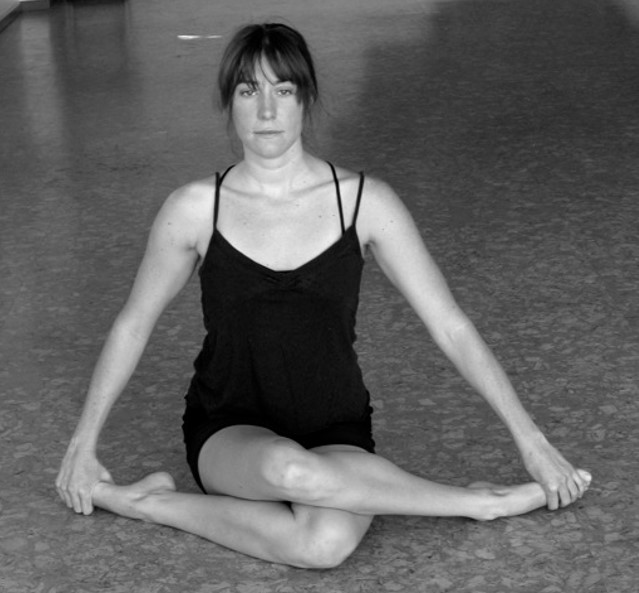
Yin yoga is a unique and holistic approach to yoga that targets the connective tissues of the body, aiming to promote flexibility, balance, and inner peace. The practice is often practiced in conjunction with other yoga styles, such as Hatha Yoga and Vinyasa Yoga, to create a well-rounded and holistic practice. With its focus on awareness, breath, and inner silence, yin yoga offers a profound way to connect with one's inner self and cultivate a deeper sense of mindfulness and well-being.
🎵 Introduction
The practice of yin yoga targets the connective tissues of the body, such as the tendons, fasciae, and ligaments. This approach allows for a deeper release of tension and stress, and promotes flexibility, balance, and inner peace. Yin yoga is often practiced in conjunction with other yoga styles, such as Hatha Yoga and Vinyasa Yoga, to create a well-rounded and holistic practice.
⚙️ How It Works
Yin yoga has been incorporated into various yoga styles and traditions, and is known for its therapeutic benefits, including reducing stress and anxiety, improving flexibility and balance, and promoting overall well-being. The practice is a unique and transformative approach to yoga, and has been shown to have a positive impact on both physical and mental health.
📊 Key Facts & Numbers
Some key facts about yin yoga include its focus on awareness, breath, and inner silence. The practice is designed to cultivate a deeper sense of mindfulness and inner peace, and can be used as a therapeutic tool for a range of health conditions. With its slow-paced and meditative sequences, yin yoga is an excellent practice for those looking to deepen their yoga practice and cultivate a greater sense of inner peace and well-being.
👥 Key People & Organizations
Yin yoga has had a significant cultural impact and influence, with its unique approach to yoga and its focus on the connective tissues of the body. The practice has been adopted by many yoga studios and instructors around the world, and has been incorporated into various yoga styles and traditions.
🌍 Cultural Impact & Influence
Currently, yin yoga is a popular and growing practice, with many yoga studios and instructors offering classes and workshops in this unique and transformative approach to yoga. The practice has also been the subject of numerous books, articles, and research studies, which have helped to further establish its benefits and therapeutic applications.
⚡ Current State & Latest Developments
Some controversies and debates surrounding yin yoga include its safety and efficacy, particularly for those with certain health conditions or injuries. However, many experts and practitioners argue that yin yoga is a safe and effective practice when done properly and with proper guidance.
🤔 Controversies & Debates
The future outlook for yin yoga is promising, with the practice continuing to grow in popularity and acceptance. As more research and studies are conducted on the benefits and therapeutic applications of yin yoga, it is likely that the practice will become even more widely accepted and incorporated into mainstream yoga and wellness practices.
🔮 Future Outlook & Predictions
Practical applications of yin yoga include its use as a therapeutic tool for reducing stress and anxiety, improving flexibility and balance, and promoting overall well-being. The practice can also be used as a complement to other yoga styles and traditions, such as Hatha Yoga and Vinyasa Yoga.
💡 Practical Applications
Related topics and deeper reading on yin yoga include its connections to other yoga styles and practices, as well as its relationships to overall health and wellness. Further reading and study can provide a deeper understanding of the practice and its benefits, and can help to further establish yin yoga as a unique and transformative approach to yoga.
Key Facts
- Category
- yoga-poses
- Type
- concept
Frequently Asked Questions
What is Yin Yoga?
Yin Yoga is a slow-paced and meditative approach to yoga that targets the connective tissues of the body, aiming to promote flexibility, balance, and inner peace.
What are the benefits of Yin Yoga?
The benefits of Yin Yoga include reducing stress and anxiety, improving flexibility and balance, and promoting overall well-being. The practice can also be used as a therapeutic tool for a range of health conditions.
How is Yin Yoga different from other yoga styles?
Yin Yoga is distinct from other yoga styles in its focus on the connective tissues of the body and its use of slow-paced and meditative sequences. The practice is often practiced in conjunction with other yoga styles, such as Hatha Yoga and Vinyasa Yoga.
Can I practice Yin Yoga at home?
Yes, Yin Yoga can be practiced at home with the use of props and online resources. However, it is recommended to practice with a qualified instructor or experienced practitioner to ensure proper alignment and safety.
What are some common Yin Yoga poses?
Some common Yin Yoga poses include those that target the connective tissues of the body, such as the hips, spine, and shoulders. These poses are designed to promote flexibility, balance, and inner peace.